
SOLAR INNOVATION FOR BRUSK MUSEUM IN BRUGES
SUSTAINABLE ENERGY IN A UNESCO WORLD HERITAGE CITY
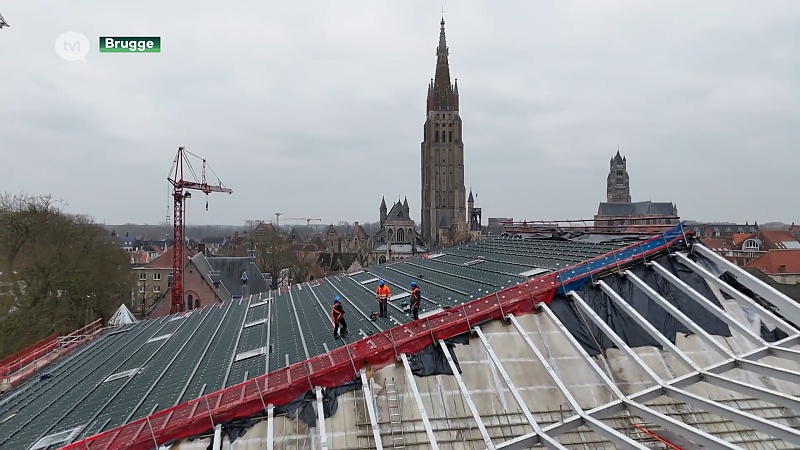
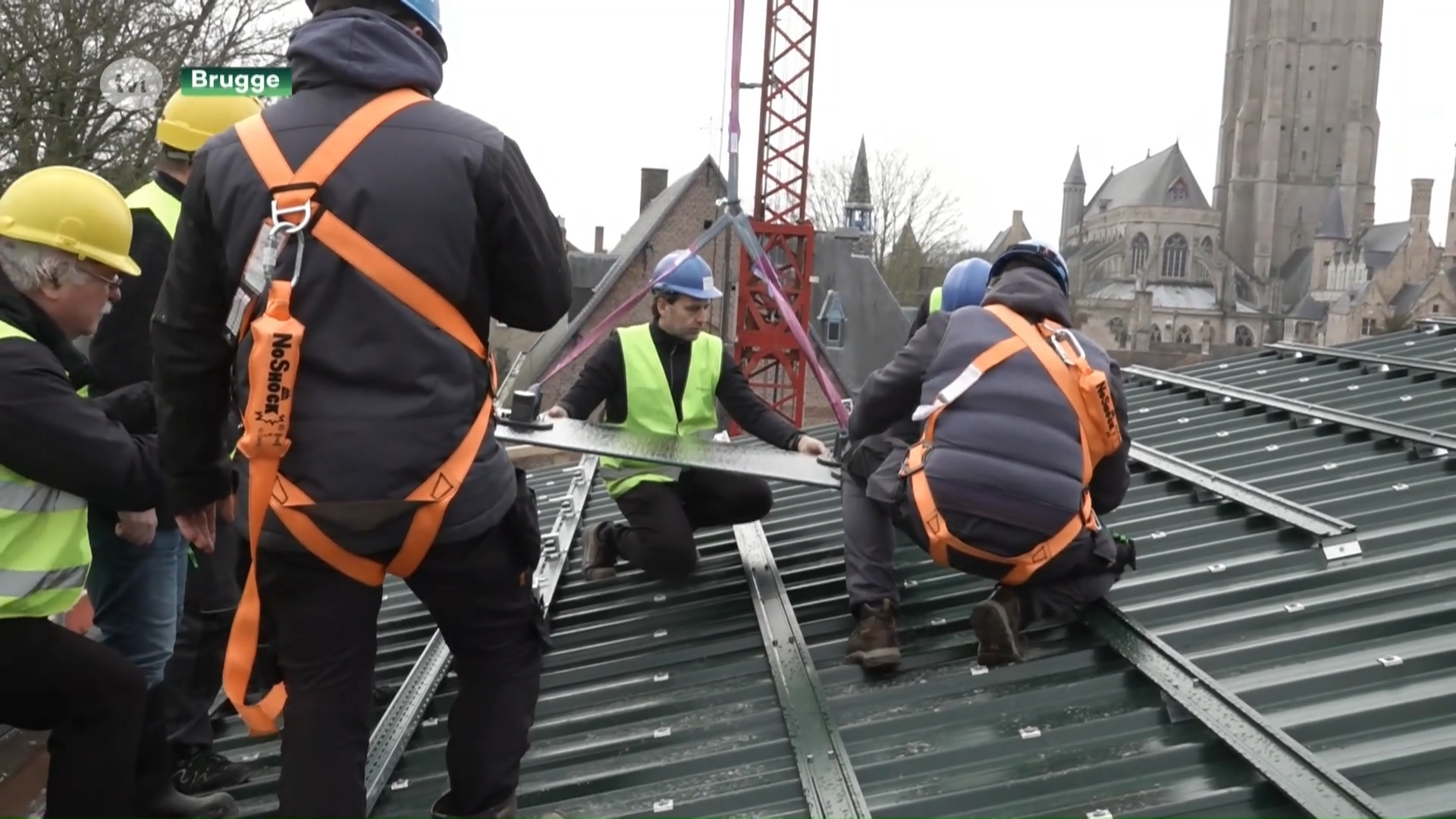
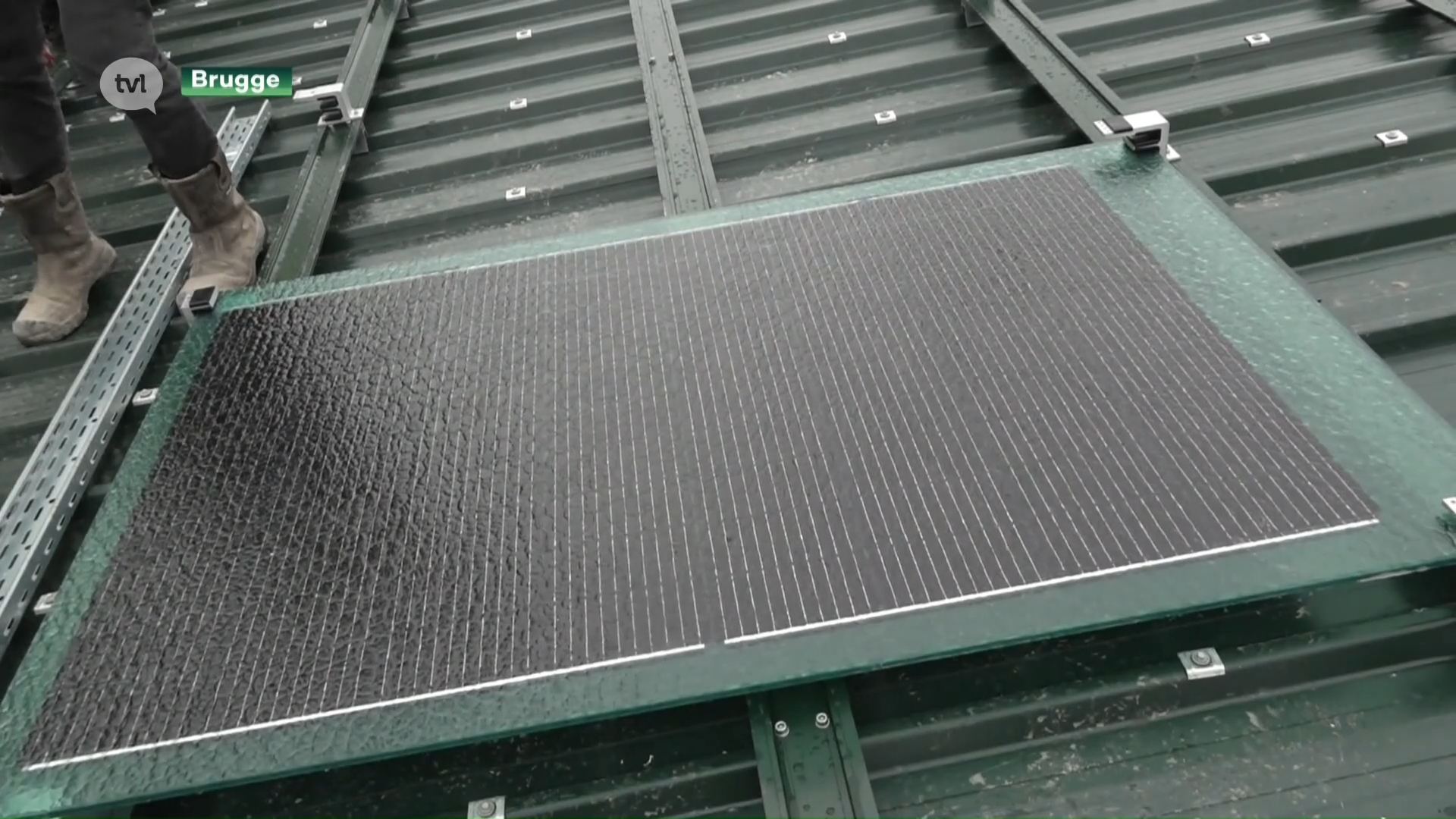
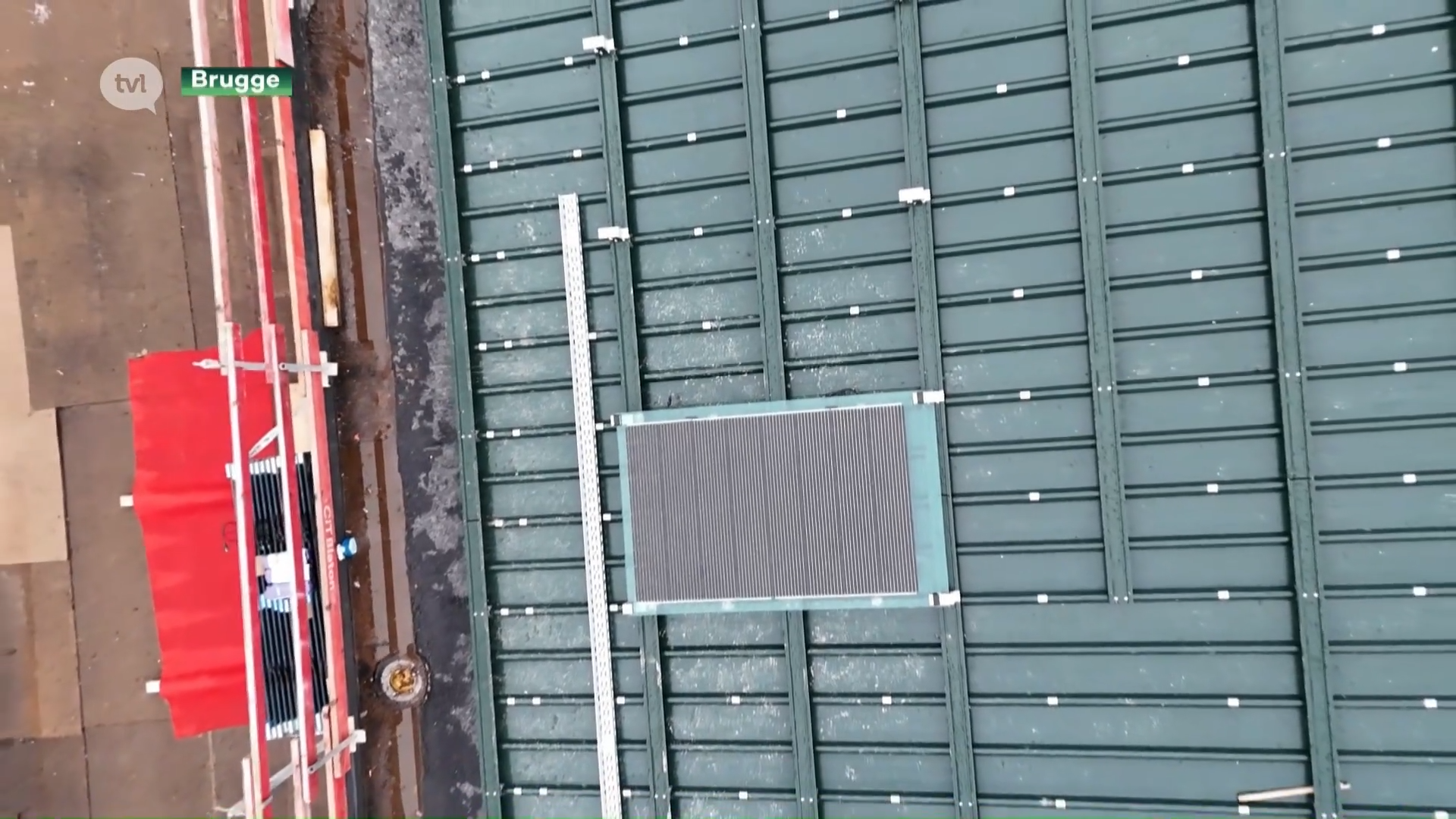
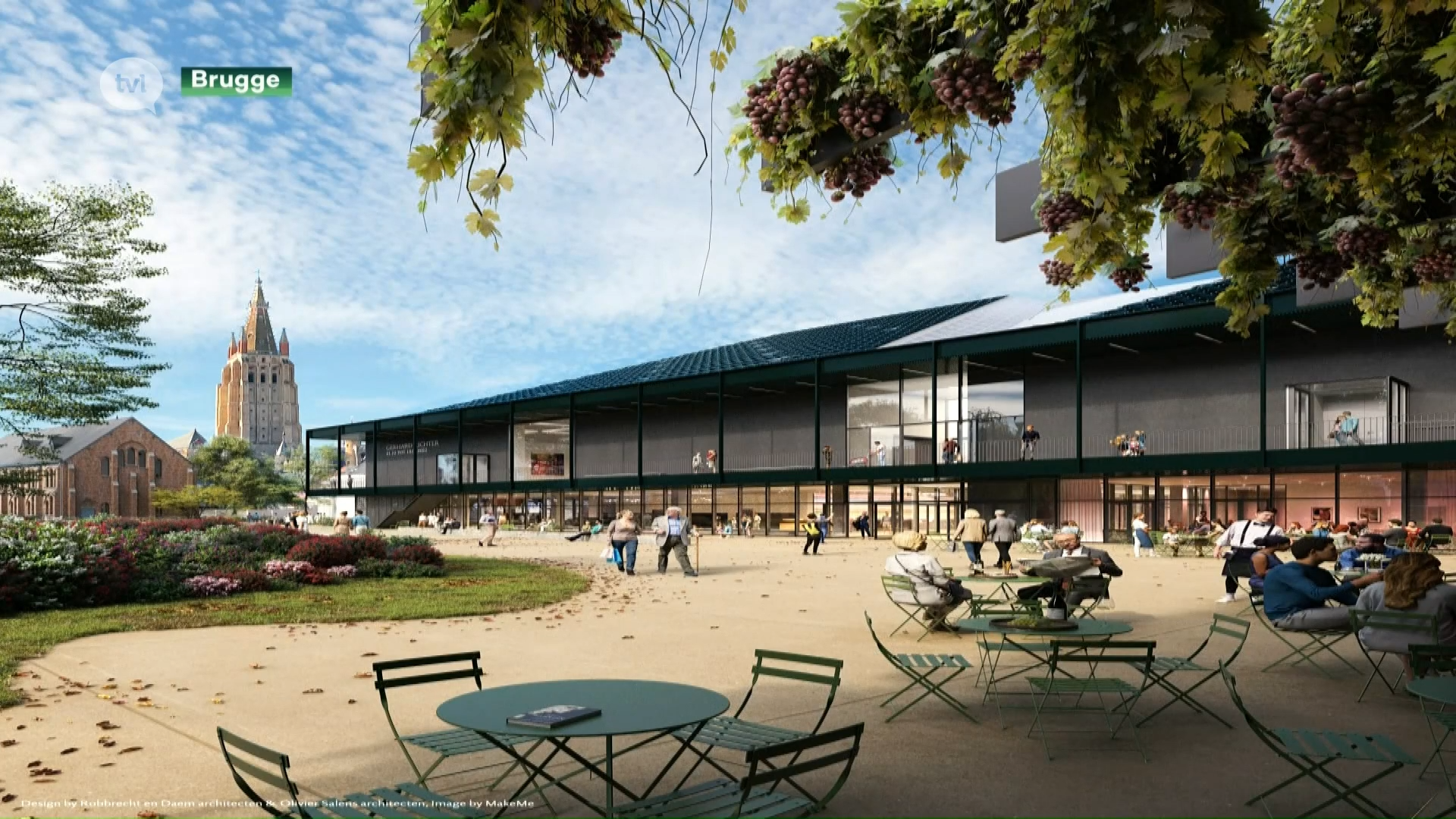
BRUGES – Integrating renewable energy into heritage sites presents unique challenges, especially in a city like Bruges, where strict conservation regulations apply. The new BRUSK museum demonstrates that innovative solar energy solutions can enhance sustainability while preserving historical integrity. For this project, SOLTECH developed photovoltaic (PV) glass shingles that generate energy while seamlessly blending into the architectural design.
HARMONISING ENERGY GENERATION AND ARCHITECTURE
The PV glass shingles at BRUSK combine functionality with aesthetic integration. Designed in collaboration with architects and heritage specialists, they ensure that energy efficiency and historical authenticity go hand in hand. “We designed this in close collaboration with the architect. It is the first time a project like this has been implemented in Bruges’ historic centre,” explains SOLTECH CEO Bas van de Kreeke. “The top layer is made of cathedral glass, while the underside has a green tint, creating a beautifully authentic effect.”
“This project was designed in close collaboration with the architect and is unique for Bruges. The combination of cathedral glass on the top and green-tinted glass on the underside creates an authentic look that perfectly complements the historic cityscape.” – Bas van de Kreeke, CEO SOLTECH
These glass shingles cover 1,298 square metres of the roof and extend over 1,218 square metres of adjacent surfaces and part of the west façade. This approach ensures that the technology is not only functional but also subtly integrated into the city’s historic landscape.
A SUSTAINABLE ENERGY SUPPLY FOR BRUSK
The PV installation at BRUSK has a total capacity of 321 kWp, comprising both the innovative PV glass shingles and 215 conventional solar panels on the logistical roof section. “In total, we are installing approximately 3,000 square metres of panels here,” says Van de Kreeke. “Of these, 1,300 m² are active and generate energy, while 1,700 m² are passive panels that ensure visual cohesion with the rest of the installation.”
“In total, we are installing 3,000 square metres of these panels. The active panels generate energy, while an equal number of passive panels are visually identical, allowing them to blend seamlessly into the roof design.” – Bas van de Kreeke, CEO SOLTECH
The system is expected to generate 285,000 kWh annually—twice the energy consumption of Bruges—contributing significantly to the city’s sustainability goals. Additionally, the museum will be connected to a borehole thermal energy storage (BTES) system, enabling efficient heating in winter and passive cooling in summer. As a result, BRUSK will be more than twice as energy-efficient as the current Nearly Zero Energy Building (NZEB) standard in Flanders.
COLLABORATION AS A KEY TO SUCCESS
The realisation of this project is the result of close collaboration between multiple partners. The PV glass shingles were designed by Jean-Didier Steenackers of Sunsoak Design, while SOLTECH was responsible for developing the mock-ups and production. The museum’s construction was led by Robbrecht and Daem and executed by CIT Blaton. This multidisciplinary collaboration has made it possible to integrate sustainable technology while respecting architectural and heritage requirements.
A CULTURAL AND SUSTAINABLE LANDMARK
BRUSK is scheduled to open on the weekend of 20–21 September 2025, with its first exhibitions planned for May 2026. In addition to its cultural significance, the museum serves as a model for integrating renewable energy into heritage environments. “It is remarkable that such a modern building has found its place in the UNESCO city centre,” says Bruges Mayor Dirk De Fauw. “But thanks to its special glass structure, the project was approved.”
“It is remarkable that such a modern building has found its place in the UNESCO city centre. Thanks to its special glass structure, the project was approved and blends harmoniously into the historic surroundings.” – Dirk De Fauw, Mayor of Bruges
As BRUSK nears completion, it becomes clear how innovative solar energy solutions can be implemented in protected urban areas. This project not only demonstrates the feasibility of sustainable energy in heritage environments but also serves as an inspiration for the further integration of renewable technology in historic cities across Europe.

SOLTECH NV is a Belgian company with production facilities in Genk. Established in 1989 as a spin-off from imec, it was a pioneer in the field of photovoltaics (PV). As early as 1989, SOLTECH was already designing stand-alone photovoltaic systems. Twenty years ago, the company reached a milestone by constructing Belgium’s first photovoltaic roof connected to the electricity grid. Innovation remains at the core of SOLTECH’s mission, enabling the production of customised solar panels with enhanced added value. The company specialises in tailor-made photovoltaic modules for specific architectural applications, including roof tiles, canopies, window glass, and noise barriers. SOLTECH also develops modules for Vehicle Integrated Photovoltaics (VIPV), Infrastructure Integrated Photovoltaics (IIPV), and Product Integrated Photovoltaics (PIPV), driving innovation in sustainable energy solutions.
Additional information
Soltech
Bas van de Kreeke, CEO
bas.vandekreeke@soltech.be | +32 496 80 21 16
More news about the new building

PRESS RELEASE | Construction of first SME building at Thor Park in Genk begins
On November 10, 2022, CEO Bas van de Kreeke presented Soltech’s future plans at the Thor Park in Genk.
10 million euros will be allocated for the realization of a new production area with offices.

The new building… the start of a new chapter
On November 10, 2022, we celebrated.
We gave the official starting shot of the works on our new plant.
It was a sunny day with many beautiful words. Bas’ beautiful words, read here.
Off-grid view of the works
The first two panels are in place … and are also already providing directly applicable energy.
The panels charge a battery that in turn provides electricity to the webcam.
A small example of what we can do … and a foretaste of what is to come.

Offices for rent in Genk
Rent an office space in the most beautiful, sustainable building in Limburg.
You can!

Powering Your Project with Energy
Whatever your project, SOLTECH energises it. Whether stand-alone or building-integrated, with a touch of SOLTECH, your project instantly becomes a benchmark in sustainable innovation.